

 Z
Z
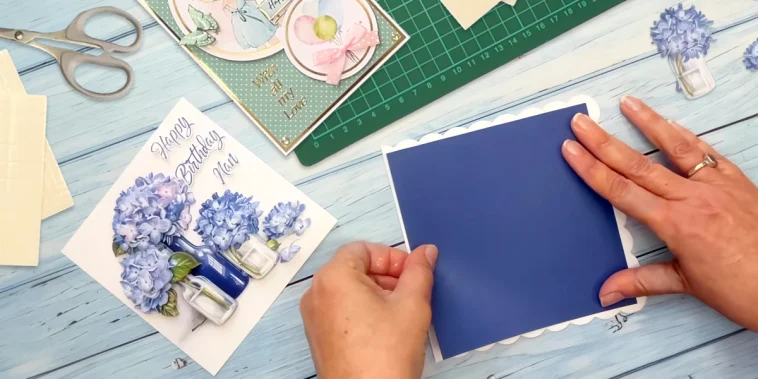
Creating hand-painted holiday cards has become one of my favorite ways to celebrate the seasons and share something heartfelt with the people I love. Each card tells its own little story, shaped by brushstrokes, color, and a personal touch that no store-bought version can match. Whether I’m painting a frosty winter scene or a burst of floral cheer for spring, I’ve come to rely on this creative practice not just for gifting, but as a calming seasonal ritual.
In this article, I’ll take you through how I approach making hand-painted holiday cards for all seasons. From gathering supplies and setting up a simple painting space to planning seasonal themes and adding finishing touches, every step has its own charm. If you’ve ever wanted to turn your art into something personal and giftable, this is a great place to start.
Why I Love Making Hand-Painted Holiday Cards
What draws me to painting cards isn’t just the art, it’s the act of slowing down and creating something meaningful. Unlike digital designs or printed cards, hand-painted cards are never identical. Each one is a reflection of a moment, a feeling, or an intention.
I love how flexible this medium is. I can go big and bold with watercolor washes or keep it simple with just a delicate brushstroke. I don’t need to be a professional artist to get beautiful results. All it takes is a little practice, a few tools, and a willingness to enjoy the process.
Plus, hand-painted holiday cards for all seasons make the perfect DIY gift. They are affordable, thoughtful, and completely customizable for every recipient and occasion.
Supplies I Like to Use
Painting cards doesn’t require a studio or expensive tools. I stick with a few essentials that are easy to store and bring out whenever inspiration strikes:
- Blank watercolor cards or heavy cardstock
- Watercolor, gouache, or acrylic paints
- Paintbrushes in fine and round sizes
- A water jar and paper towels
- Masking tape for borders
- A white gel pen for highlights
- Envelopes and optional wax seals
I usually work with watercolor because it dries quickly and gives such a soft, expressive look. For bolder color, gouache works great too. The choice really depends on the style I want for that season’s theme.
Prepping the Cards
Before I start painting, I like to tape off the edges of my cards with masking tape to create a clean border. It gives a nice framed effect when the painting is finished and makes even the simplest design look polished.
I also lightly pencil in any shapes or text I plan to include. This helps me map out the composition so I don’t overcrowd one area or forget a detail.
Sometimes I do a quick color swatch on scrap paper to test how the paints will behave. Different papers absorb paint in different ways, and it’s always good to see how the colors interact before putting them on the card.
Seasonal Inspiration for All Year
Each season brings its own palette, symbols, and mood. I like to tailor my hand-painted holiday cards for all seasons by drawing from what’s happening outside my window and in my life.
Winter
For winter, I often use cool blues, deep greens, silvers, and whites. I paint snowflakes, evergreen trees, cozy cabins, or lanterns glowing in the dark. A favorite design is a row of pine trees with falling snow, accented with gold paint for warmth.
Holiday cards for winter can focus on Christmas, New Year, or even general messages of peace and joy. I also enjoy painting mittens, scarves, and mugs of hot cocoa with steam curling into the air.
Spring
Spring cards are full of light pastels, blooming flowers, birds, and butterflies. I use a lot of soft pinks, yellows, and fresh greens. My go-to designs include daffodils, tulips, and simple meadow scenes.
For Easter or seasonal greetings, I sometimes paint eggs nestled in grass, tiny chicks, or flowering trees. Spring cards are a wonderful way to send hope, renewal, and brightness.
Summer
In summer, I turn to vibrant colors like turquoise, coral, sunny yellow, and bright green. Watermelon slices, sunflowers, waves, and beach scenes are all perfect motifs.
These cards are ideal for birthdays, vacation mail, or simply sending sunshine to someone. One of my favorites was a sunset card with a silhouette of palm trees and a gold-accented sun dipping below the horizon.
Autumn
Autumn brings in deep oranges, russets, browns, and golden tones. I often paint falling leaves, pumpkins, acorns, and cozy mugs. Thanksgiving themes work well here, as do general gratitude cards.
A warm color wash with hand-lettered text saying “Thankful” or “Grateful for You” makes a beautiful and quick autumn greeting.
Easy Painting Techniques I Use
I don’t use complex techniques for these cards. Instead, I focus on layering simple brushstrokes to build texture and dimension.
Wet-on-Wet
For soft, blended backgrounds, I wet the area of the card lightly and then drop in color. The paint spreads beautifully, creating skies, snowdrifts, or dreamy fields.
Dry Brush
For a rustic texture, I let the brush stay slightly dry and drag it across the paper. This is great for tree bark, rough edges, or stone.
Lifting Color
If I make a mistake or want to add highlights, I blot the area with a paper towel or a clean brush to lift some pigment. This gives depth and creates natural light spots.
Layering
I usually paint light colors first and layer darker ones on top once dry. This helps keep the designs clean and defined.
Splattering
For a touch of fun or texture, I load a brush with color and flick it across the paper. White or gold splatter adds instant magic to winter cards.
Adding Lettering and Messages
After the paint dries, I like to hand-letter messages with brush pens, fine liners, or white gel pens. Sometimes I use stamps or stencils, but I enjoy the personal feel of handwritten text.
Phrases I like to include:
- “Warmest wishes”
- “Happy holidays”
- “Sending sunshine”
- “Hello spring”
- “With gratitude”
- “Wishing you peace”
If the front is detailed, I may leave the inside blank or write a longer note. The beauty of hand-painted holiday cards for all seasons is how easy it is to tailor the words to the mood of the design.
Personalizing Each Card
When I’m painting for friends or family, I try to incorporate their interests. For a music-loving friend, I might add a watercolor treble clef wrapped in holly. For someone who loves hiking, I might paint a mountain scene under stars.
I also match the colors to their favorite shades or the holiday they celebrate. Customizing even small details makes the cards feel intentional and loving.
Sometimes I add tiny elements like a birthstone color or a pet silhouette. It doesn’t have to be perfect, it just has to show care.
Drying and Sealing
I always let my cards dry flat and completely before adding ink or sealing them in envelopes. If I’m using water-heavy techniques, I place a book or flat board on top to prevent curling.
If I’m mailing the cards or want them to last longer, I spray them lightly with a fixative or laminate them in a clear sleeve. This protects the paint from smudging or moisture.
Packaging and Gifting
One of my favorite ways to present these cards is in sets. I tie them with ribbon or twine and place them in a kraft box or handmade envelope. Sometimes I add a wax seal or dried flower for a natural touch.
I’ve gifted these card sets for birthdays, holidays, Mother’s Day, and even as wedding favors. People love getting something handmade that they can use or display.
I also leave space on the back of some cards for the recipient to write their own message, making them even more versatile.
Mistakes I’ve Learned to Embrace
Not every card turns out exactly as planned. I’ve had trees turn out lopsided, skies that got too muddy, and ink that smudged right at the end. But I’ve learned that imperfections are part of the charm.
When a card doesn’t meet my expectations, I turn it into a test swatch or reuse it for bookmarks or gift tags. Nothing goes to waste.
In fact, I’ve found that some of my most loved cards came from unplanned strokes or moments when I let go of perfection.
Why These Cards Matter
Hand-painted holiday cards for all seasons are more than a craft project. They’re a way to slow down and share something meaningful. In a fast-paced digital world, they remind us of connection, effort, and care.
They also encourage me to notice the beauty in every season, how the light changes, how nature shifts, and how we celebrate life’s moments differently throughout the year.
Each card I paint feels like a tiny snapshot of that season’s energy. And each one I give carries a piece of my time, thought, and creativity.
Final Thoughts
Making hand-painted holiday cards for all seasons has become one of the most rewarding traditions in my creative life. It’s a practice that keeps me grounded, brings joy to others, and helps me stay inspired through the rhythm of the year.
If you’ve been curious about trying it, I encourage you to start with just one card. Pick up a brush, choose a season that inspires you, and paint from the heart. You don’t need to be an expert. You just need to begin.
You might be surprised by how much a single handmade card can say.



GIPHY App Key not set. Please check settings