

 Z
Z
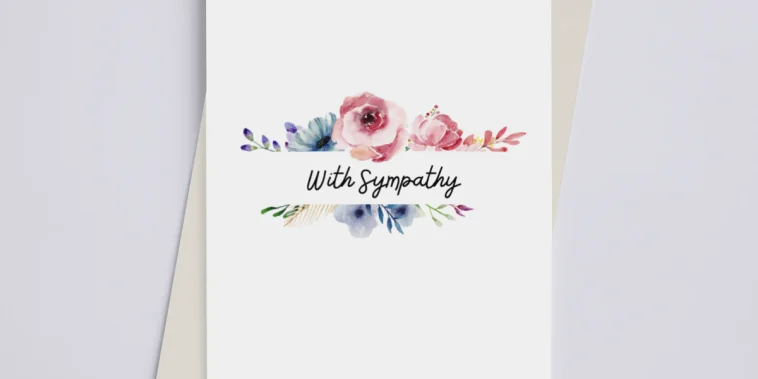
Expressing condolences through a handmade card is one of the most meaningful ways I’ve found to show someone I care. In difficult moments, words don’t always come easily, but a card made with gentle intention can offer quiet comfort and a lasting reminder that someone is thinking of them. That’s why I love making DIY sympathy cards with elegant designs. They allow me to blend grace, compassion, and creativity into something simple yet deeply personal.
I’ve worked on a variety of sympathy card designs over the years, and I’ve learned that the elegance in these cards comes from subtlety. Every detail, from the colors to the placement of a sentiment, matters. If you want to offer a heartfelt expression during a tough time, making your own card is a quiet act of kindness that’s always appreciated.
In this article, I’ll walk you through how I design and make DIY sympathy cards with elegant designs using minimal tools and maximum care. These cards don’t need to be elaborate to be beautiful. What they need is thoughtfulness and a gentle touch.
Why Handmade Sympathy Cards Matter
Sympathy cards are more than just paper. They’re a tangible gesture that says, “I’m here,” without overwhelming the recipient. When I create a sympathy card by hand, I get to control the tone, message, and look of the design. That personal approach often resonates more than a store-bought card because it shows the time and care I put into it.
With DIY sympathy cards with elegant designs, I can tailor everything to reflect the relationship I have with the recipient. Whether it’s a soft floral theme, a spiritual message, or a card with a quiet, abstract motif, I find the right design helps convey emotion in a respectful and healing way.
Materials I Use for Elegant Sympathy Cards
To make cards that are graceful and refined, I stick to a few high-quality materials. I avoid anything too flashy or overly decorative. Here’s what I usually work with:
- High-quality white, cream, gray, or soft pastel cardstock
- Watercolor paper or textured paper for added depth
- Black, gray, or muted ink pads
- Fine-line pens or calligraphy markers
- Sentiment stamps or printed quotes
- Embossing tools and powder in soft metallic tones
- Minimal embellishments like pearls or ribbon
- Floral or botanical stamps or dies
- Adhesive runner and foam tape
It helps to choose materials that reflect the soft and subdued tone appropriate for a sympathy card. Bright colors or bold patterns can feel out of place in this context, so I lean into calm tones and soft contrasts.
Colors That Convey Grace and Calm
Color choice plays a huge role in the mood of a sympathy card. When making DIY sympathy cards with elegant designs, I always reach for palettes that feel serene and grounding. Some of my go-to colors include:
- Soft gray
- Ivory or off-white
- Taupe or sand
- Muted lavender or dusty rose
- Navy blue or slate
- Sage green
When I use color, I make sure it doesn’t overpower the design. Often, the majority of the card remains neutral, and I let one or two elements, like a flower or message, carry a gentle hue to create visual interest without being too loud.
Layouts That Work for Elegant Sympathy Cards
I believe simplicity is key. Too many layers or embellishments can distract from the sincerity of the message. I usually work with layouts that focus on a central sentiment or a small, elegant image. Some layouts I love include:
- A centered vertical panel with a floral motif and sentiment underneath
- A bottom-right corner design with negative space above
- A horizontal strip of watercolor with a stamped message layered on top
- A soft background texture and a framed message box in the center
Each layout I use leaves plenty of white space. That space invites quiet, reflection, and clarity, exactly what a sympathy card should offer.
Gentle Techniques to Add Elegance
Even with a minimalist approach, I like to bring in texture and design techniques that enhance the look of the card in subtle ways. These methods add elegance without noise:
Dry Embossing
Dry embossing adds texture without introducing color or pattern. I use folders with floral, lace, or scrollwork designs to create a soft background. The raised patterns catch the light just enough to feel special.
Heat Embossing
Heat embossing lets me highlight a word or shape with a soft sheen. I often stamp a sentiment in gray and use clear or pearl embossing powder to elevate the look. A white-on-white embossed design can also feel very graceful.
Watercolor Washes
A soft watercolor background behind a stamped quote or flower gives a hand-painted feel that’s calming and warm. I like to use diluted washes of lavender, blue-gray, or sage green. The key is to keep it light and airy.
Layered Vellum
Vellum is one of my favorite materials when making DIY sympathy cards with elegant designs. A single vellum layer placed over a muted pattern or text softens the design and adds depth. I usually attach vellum with mini brads or use tiny drops of glue behind stamped images so it doesn’t show through.
Thoughtful Sentiments and Text
I often spend more time choosing or writing the sentiment than designing the card itself. The message on a sympathy card needs to be thoughtful, respectful, and comforting. Some of my favorite sentiments include:
- With heartfelt sympathy
- You are in my thoughts
- Wishing you peace and comfort
- Holding you in my heart
- In loving memory
Sometimes I stamp these messages using small block fonts, and other times I hand-letter them with a calligraphy pen for a personal touch. When I want to include a longer message, I write it inside the card in clean, even lines. I always try to keep it brief but meaningful.
Themes That Reflect Sympathy and Support
Different people respond to different kinds of symbolism. I’ve created sympathy cards with a variety of gentle themes over the years, and I often choose one that feels appropriate for the recipient or the person being remembered.
Florals
Soft flowers, like lilies, roses, and cherry blossoms, are timeless and comforting. A single stamped stem or hand-drawn bloom can convey peace and remembrance.
Nature Elements
Leaves, trees, birds, or quiet landscapes suggest cycles, growth, and connection. I often use a bare tree stamp with a sunset watercolor behind it or a small branch with falling leaves to symbolize transition.
Abstract Shapes
Swirls, circles, or minimalist patterns allow for an elegant design that doesn’t rely on representational imagery. This can be helpful when you want the card to be neutral or open to interpretation.
Spiritual Motifs
If I know the recipient finds comfort in spirituality, I sometimes include a subtle cross, dove, or a favorite verse. I keep the symbols small and quiet so they don’t dominate the card.
Personal Touches That Make a Difference
One of the most meaningful parts of creating a handmade card is that it can be customized. A few personal touches go a long way. Here are some small additions I like to include when appropriate:
- The person’s name hand-lettered inside
- A short line about a favorite memory
- A hand-trimmed edge or envelope liner in soft print
- Coordinated colors that remind me of the recipient’s style
Even if I’m making several sympathy cards to have on hand, I leave room inside for a personal message. I find that even just two or three heartfelt sentences can be incredibly powerful.
How I Assemble a Complete Sympathy Card
Each time I sit down to make a card, I follow a general flow that helps me stay focused and intentional:
- Select a color palette based on tone and theme
- Choose a layout that feels quiet and balanced
- Add texture through embossing or soft ink blending
- Place the focal element, floral image, symbol, or quote
- Stamp or write the sentiment with care
- Mount the card front on a folded base
- Prepare the inside with space for writing
- Pair the card with a matching envelope
I never rush this process. Making DIY sympathy cards with elegant designs is just as much about the act of reflection as it is about the final product.
Creating a Set for Giving or Donation
I often make sets of sympathy cards to keep on hand or give as gifts. A set of four or five cards tied with ribbon or placed in a kraft paper box makes a lovely and thoughtful present. Some people donate handmade sympathy cards to hospices or community centers where others may need help expressing condolences. A quiet act of creation can ripple out in beautiful ways.
Final Thoughts
Making DIY sympathy cards with elegant designs is one of the most meaningful forms of crafting I’ve ever experienced. It’s not about impressing anyone with elaborate techniques. It’s about creating space, softness, and care in a tangible form that can bring comfort during painful times.
When I sit down to create a sympathy card, I let silence lead the process. I let the paper, the ink, and the shapes guide me gently toward something heartfelt. You don’t need to be an expert to make these cards, you just need to be willing to slow down, reflect, and offer a little piece of your heart.
If you’ve never tried making a sympathy card before, I encourage you to try. You might be surprised by how soothing the process is, and how much it can mean to someone who receives it. Whether you’re crafting for a friend, a neighbor, or someone you’ve never met, your quiet compassion will speak volumes.


GIPHY App Key not set. Please check settings