

 Z
Z
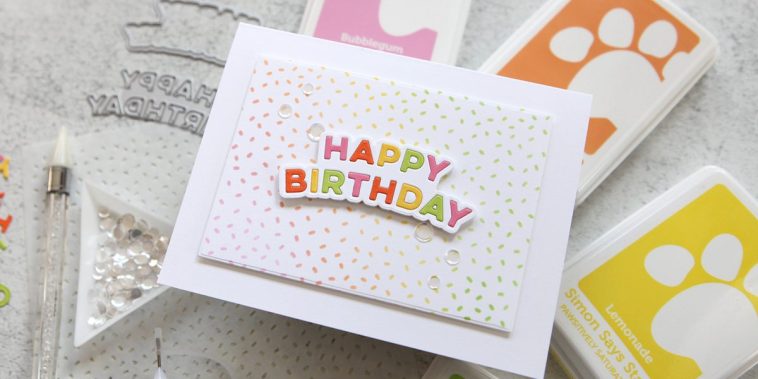
Handmade cards carry a kind of beauty that factory-printed versions can never match. Every fold, every detail, and every material plays a role in how the final piece comes together. Of all these elements, paper choice can completely define the quality and character of a card. When I began exploring paper in more depth, I realized that the secret to professional-looking handmade cards starts with knowing which paper to use. That is why I wanted to share what I’ve learned about the best paper types for handmade cards.
Selecting the right paper goes beyond thickness and color. Texture, weight, finish and how well it handles ink or glue all contribute to a card’s final presentation. Each type serves a purpose and suits a different style or technique. Whether I’m doing stamping, layering, watercolor, embossing, or simply sketching by hand, the paper determines how easy or difficult the process becomes.
Why Paper Choice Matters
When making handmade cards, every material affects how the design comes to life. I’ve used papers that were too flimsy and watched my cards warp or buckle. I’ve also used surfaces that were too slick and caused ink to smear or glue to peel away. Once I found the best paper types for handmade cards, I saw a huge improvement in my results.
Good paper not only supports the techniques I use, it enhances them. Some papers hold folds crisply without cracking. Others absorb paint smoothly without warping. Some have the perfect texture for dry brushing or embossing. The paper isn’t just a background. It is the foundation of the entire card.
Cardstock: The Most Reliable Base
Cardstock is always the first paper I reach for when making a handmade card. It provides structure, weight and a professional feel. Available in multiple weights, finishes and colors, cardstock serves as the backbone for almost every card I make.
Heavyweight cardstock, around 80 to 110 lb cover weight, is ideal for the base layer. It’s sturdy enough to stand on its own and can handle embellishments like die cuts, layered elements and ribbon without bending. I often use white, cream, or kraft cardstock as a blank canvas and add decorations on top.
Smooth cardstock works well when I plan to stamp or draw directly on it. Textured cardstock, like linen or felt finish, gives a more tactile experience and adds depth to simple designs. I also use colored cardstock to create accents or layers beneath a focal image.
Watercolor Paper for Painting Techniques
When I want to add watercolor backgrounds or painted images, I always go for watercolor paper. Regular paper warps and tears easily when wet, but watercolor paper handles water beautifully. It absorbs pigment and allows for smooth blends and washes.
The best paper types for handmade cards that include painting always come down to high-quality watercolor sheets. I use cold-press paper for soft textures and light grain, which helps watercolors spread naturally. Hot-press paper has a smoother surface and works well if I want to stamp or draw over the watercolor later.
I cut watercolor sheets down to card size or glue them onto a cardstock base for support. This combo gives me the freedom to paint freely and still deliver a polished final product.
Vellum for a Soft and Elegant Touch
Vellum is one of my favorite materials when I want to add something subtle and delicate to a handmade card. This translucent paper comes in various weights and can be used to overlay printed text, soften bold designs, or serve as a background element.
I love using vellum when I want to tone down vibrant colors or add layered interest without overwhelming the design. It works beautifully with heat embossing, die cutting and even hand lettering.
Since vellum is more delicate than cardstock, I typically attach it using hidden adhesive behind an embellishment or carefully placed glue dots. It needs a gentle hand, but the result is always worth it.
Specialty Handmade Paper for Unique Texture
One of the reasons I enjoy creating cards is because I can work with tactile, natural-feeling materials. Handmade paper fits this perfectly. With visible fibers, organic textures and unique color patterns, it makes each card feel one-of-a-kind.
I often use handmade paper as a decorative panel layered over a cardstock base. Some sheets have floral inclusions, gold flecks or fibers that add unexpected beauty to the card. Because it’s softer and more fragile, I treat it as a visual element rather than the structural foundation.
For rustic, vintage or bohemian styles, handmade paper is definitely one of the best paper types for handmade cards. It creates immediate visual interest and sets the tone for everything else on the card.
Glossy and Coated Paper for Bold Prints
Sometimes I design handmade cards with printed photos or bold digital art. In these cases, I use glossy or satin-coated paper to bring out vibrant colors and sharp lines. Glossy paper gives a smooth, reflective finish that looks polished and crisp.
I print the image on glossy paper, trim it to size and mount it on heavier cardstock for structure. This allows me to incorporate personal photos, custom graphics or digitally created designs without sacrificing handmade charm.
Glossy paper does not work well with stamping or hand-coloring because ink tends to smudge or pool. For those techniques, I stick with uncoated options.
Kraft Paper for Earthy and Minimalist Designs
Kraft paper brings a warm, organic feel to my handmade cards. It’s often brown or tan in color and has a rough, recycled appearance. I use it for rustic, nature-themed or masculine cards because it feels grounded and simple.
When paired with white ink, black pen, or metallic embellishments, kraft paper becomes striking. I love layering it with twine, burlap, or botanical cutouts for a natural effect.
Even though kraft paper is relatively inexpensive, it still ranks high among the best paper types for handmade cards, especially for casual or farmhouse aesthetics.
Embossing Paper for Texture
Embossing adds texture and dimension, and the paper needs to be thick enough to hold impressions without tearing. I use heavyweight smooth cardstock or specialty embossing paper with just the right amount of stiffness and flexibility.
When I run paper through my embossing machine with a folder or die, I check that the design stays crisp and doesn’t crack. Some cheaper papers don’t hold the detail well or leave fuzzy edges.
For a really luxurious finish, I sometimes emboss metallic or pearl cardstock. The shimmer combined with the raised texture adds elegance to wedding, birthday or holiday cards.
Mixed Media Paper for Layered Art Techniques
If I’m using acrylic paint, ink splatters, stamping, or a collage of materials, I reach for mixed media paper. It’s designed to handle a variety of wet and dry media without warping or pilling. I love how versatile it is for more experimental designs.
I typically use it for card panels that I later mount on a base. It supports stamping, heat embossing, pastels, and adhesives like Mod Podge. It’s ideal for anyone who likes combining several techniques in one card.
Among the best paper types for handmade cards that involve complex art, mixed media paper stands out for its durability and versatility.
Printable Paper for Personalized Messages
When I design a card with a personalized message or digital design, printable paper is essential. Inkjet-compatible matte paper works well for soft text and hand-drawn-style graphics. I prefer matte over glossy unless I’m printing photos.
Once printed, I cut out the design and glue it onto a decorative base. If I need the card to feel thick, I double up the layers or attach the printed message inside a folded cardstock.
Printable paper gives me full control over fonts, messages and layout, especially if I’m batch-making cards for events or holidays.
Metallic and Pearl Paper for Luxury Effects
When I want to elevate the look of a card for weddings, anniversaries or formal occasions, I go for metallic or pearl-finish paper. These add a beautiful shimmer and look especially elegant with laser cuts or die-cut elements.
I often use metallic paper as a backing or accent layer. A small touch goes a long way. Since some metallic papers are slick, I test pens and adhesives on a scrap before applying anything to the card itself.
These luxurious options definitely rank among the best paper types for handmade cards when you’re aiming for something that feels high-end and elegant.
Colored Paper for Layering and Accents
Bright colored paper allows me to build layers and dimension into a card design. I love using bold hues behind windows or cutouts to draw attention. Colored paper works great for punch shapes, banners, flags, and other embellishments.
I prefer acid-free colored cardstock so the color won’t fade over time. If I’m going for contrast or trying to match a theme, the wide color variety gives me plenty of freedom to experiment.
Whether it’s a pastel pink for baby showers or deep navy for a masculine birthday card, colored paper always has a place in my stash.
Tips for Storing and Organizing Paper
Since I’ve collected a lot of different types of paper over the years, I store them in labeled folders and trays by type and weight. This makes it easier to find the exact paper I need without digging through stacks.
I also keep scraps sorted in smaller containers for quick access when I need just a small accent. Proper storage keeps the paper flat, clean, and ready to use anytime.
Final Thoughts
Mastering the best paper types for handmade cards has transformed the way I design and create. Paper isn’t just a base or background, it’s a medium that can elevate a card from simple to stunning. By understanding how each type supports a technique or complements a style, I’ve been able to take my handmade cards to a more polished and artistic level.
Whether I’m working with soft watercolor paper, bold metallics or textured handmade sheets, every card feels more intentional when I’ve selected the perfect paper. Next time you make a card, try experimenting with a new paper type. It might be the key to unlocking a whole new level of creativity in your cardmaking.



GIPHY App Key not set. Please check settings